
"Central American beans"
5000 article(s) found
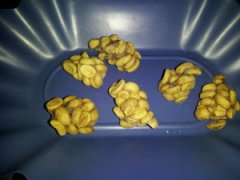
Description of coffee bean flavor introduction to the taste of famous Central American coffee
GuatemalaLaJoyaEstate-Antigua Gem Manor Coffee GuatemalaLaJoyaEstate Central American countries: Guatemala producing areas: Antigua flavor: Antigua Gem Manor, Antigua (Antigua) is a volcanic island located in the southwest of Guatemala, three volcanoes are located in which the island is rich in volcanic soil, coupled with low temperature, low humidity and adequate sun environment at night
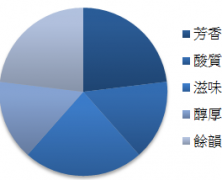
Central and South American Flavor Coffee Bean-Colombia Coffee Bean Features Colombia Coffee Variety Introduction
Weixin Official Accounts cafe_style Central and South American coffee beans-Colombia coffee beans characteristics Colombia coffee varieties introduction origin introduction Andes mountains run through the west, valleys alternate, coastal narrow plains, northwest area is the lower reaches of the Magdalena River alluvial plain; east is the Amazon River and the upper reaches of the Orinoco River

An introduction to Costa Rica A description of the common varieties of Kaddura and Kaduai in American beans
Costa Rica, located in Central America, is the country where coffee was first introduced into Central America. It has a long history and has a complete coffee organization system from production to marketing. Because it is located in the Central American Isthmus, the volcanic soil is very fertile and the drainage is good, especially in the central plateau CentralPlateau, where the coffee growing land is stable due to the fertile volcanic ash and mild and suitable temperature of the volcanic terrain.

Do you know what Latin American coffee is expensive in Latin American coffee producing areas?
Professional coffee knowledge exchange more coffee bean information please follow the coffee workshop (Wechat official account cafe_style) Latin American coffee beans are a land bridge connecting North and South America, a total of seven countries, namely Belize, Costa Rica, El Salvador, Guatemala, Honduras, Nicaragua and Panama. Coffee is produced in seven Central American countries, including Guatemala and Costa Rica.
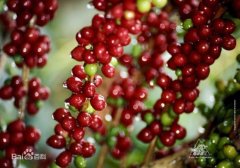
Salvadoran coffee Central and South American coffee beans
Salvadoran coffee refers to the coffee produced in the small South American country of El Salvador, where the coffee body is light, aromatic, pure, slightly sour, the flavor characteristic is excellent balance, is a specialty of Central America. With sour, bitter, sweet and other taste characteristics, the best baking degree is moderate, deep. The Chinese name Salvadoran coffee has a balanced taste and good texture.

Beautiful sour taste, moderate mellow Central American Nicaraguan coffee beans
Beautiful sour taste, moderate mellow Nicaraguan coffee belongs to the Central and South American style coffee, although the acidity is not very high, but it feels refreshing. The mellow degree is also not high, but the overall feeling is just right, neither thin nor too strong. To make it easier to accept. The taste of red wine can be vaguely felt in the shallow sour taste, which is also a major feature of Nicaraguan coffee.

Honduras-#8231; Central and South American Agriculture and Animal Husbandry-Marcala Coffee Fair Trade
Professional coffee knowledge exchange more coffee bean information please follow the coffee workshop (Wechat official account cafe_style) Honduras Central and South America Agriculture and Animal Husbandry-Markara (Marcala) Coffee Fair Trade Association (F.T) the flavor of washed beans? Coffee produced in Honduras is rarely found in Taiwan's coffee market, but in terms of altitude and temperature changes and soil fertility.
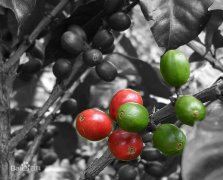
Fragrant with less acidity, reminiscent of Central American coffee beans
It is fragrant with less acidity, reminiscent of coffee beans from Central America. Coffee production in South Africa (SouthAfrica) is mainly in the northeast of the country, from Natal between Transvaal and Mozambique, extending northward to Transvaal, with a southernmost limit of latitude 30 south. Further south, coffee cannot be grown due to the harm of early frost.
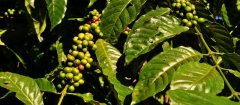
South Africa is fragrant with less acidity, reminiscent of Central American coffee beans
It is fragrant with less acidity, reminiscent of coffee beans from Central America. Coffee production in South Africa (SouthAfrica) is mainly in the northeast of the country, from Natal between Transvaal and Mozambique, extending northward to Transvaal, with a southernmost limit of latitude 30 south. Further south, coffee cannot be grown due to the harm of early frost.

Description of Latin American coffee flavor, introduction of Latin American coffee
The characteristics of the flavor of Central and South America: balanced, moderately sour and mellow Central and South America is the world's largest coffee producing area, where there are numerous boutique coffees. Take Colombia, Guatemala or Brazil as an example, good coffee is enough to make people dazzling. What is the resource advantage that makes Central and South America so good? French naval officer Gabriel Ma in 1721
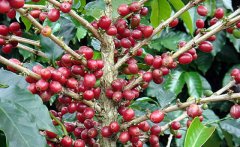
South African coffee is fragrant with less acidity, reminiscent of Central American coffee beans
It is fragrant with less acidity, reminiscent of coffee beans from Central America. Coffee production in South Africa (SouthAfrica) is mainly in the northeast of the country, from Natal between Transvaal and Mozambique, extending northward to Transvaal, with a southernmost limit of latitude 30 south. Further south, coffee cannot be grown due to the harm of early frost.
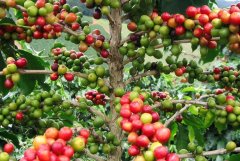
South African coffee is fragrant with less acidity, reminiscent of Central American coffee beans
It is fragrant with less acidity, reminiscent of coffee beans from Central America. Coffee production in South Africa (SouthAfrica) is mainly in the northeast of the country, from Natal between Transvaal and Mozambique, extending northward to Transvaal, with a southernmost limit of latitude 30 south. Further south, coffee cannot be grown due to the harm of early frost.

Central American coffee beans | Akanango, Guatemala | Santa Fenisa Manor | Geisha Coffee
Professional coffee knowledge exchange more coffee bean information please follow Coffee Workshop (Wechat official account cafe_style) Santa Felisa Special Lot Central American Coffee producing area Guatemala Arcannan Santa Fenisa Manor Rose Summer Variety Orange Honey treatment Guatemala AcatenangoSanta FelisaGeisha Orange Honey region San Antonio, A
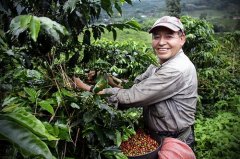
The taste is fragrant with less acidity, reminiscent of the South African flavor of Central American coffee beans.
It is fragrant with less acidity, reminiscent of coffee beans from Central America. Coffee production in South Africa (SouthAfrica) is mainly in the northeast of the country, from Natal between Transvaal and Mozambique, extending northward to Transvaal, with a southernmost limit of latitude 30 south. Further south, coffee cannot be grown due to the harm of early frost.
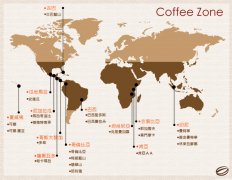
The flavor of El Salvador boutique coffee beans Central and South American coffee beans
Coffee in El Salvador is grown mostly by small farmers, who grow it in the traditional way: almost 100% shade. The coffee harvest lasts from November to March. The fresh fruit of coffee is picked by hand. On the whole, Salvadoran coffee inherits the mild quality of Sino-American coffee, which is soft, slightly sour and beautiful.

Full-bodied Peruvian coffee with both the brightness of Central American coffee and South American coffee
The term "fine coffee" was first put forward by Ms. Knudsen of the United States in Coffee and Tea magazine. At that time, Ms. Knudsen, as a coffee buyer at B.C. Ireland in San Francisco, was very dissatisfied with the neglect of the quality of raw coffee in the industry, and even some big roasters mixed a large amount of Robesda beans in the comprehensive beans, so she put forward the concept of boutique coffee.

Boutique single coffee beans Central American Nicaraguan coffee beans
Nicaragua is located in central Central America, bordered by the Pacific Ocean to the west and the Caribbean Sea to the east. The highlands in the north and the coastal plains in the east are part of the Central American volcanic belt. The eastern plain is high-temperature and rainy, with a tropical maritime climate. The suitable climate provides an excellent growth environment for the cultivation of coffee. (Pakamara, Nicaragua on the left, Guatemala on the right) High-quality Niagara

Central American coffee brand Costa Rica Tarazu flavor rich chocolate nut pleasant aroma
Professional coffee knowledge exchange more coffee bean information please follow the coffee workshop (Wechat official account cafe_style) front street-Costa Rica Tarazu introduction is located in the Central American isthmus, latitude 10 north, longitude 84 west. It faces the Caribbean Sea to the east and the North Pacific Ocean to the west. Costa Rica is located in the volcanic belt of the low latitudes of Central America, with the central plateau and mountains about 800 to 2000 meters above sea level.

What are the characteristics of Central American coffee beans_Changes and competition for the most intense coffee production continent
Professional coffee knowledge exchange More coffee bean information Please pay attention to coffee workshop (Weixin Official Accounts cafe_style) Early, Costa Rica and Guatemala, is the representative of Central American coffee beans, that sweet, lubricating acid, straight through taste buds, gentle, lingering flavor, aroma, unforgettable! With the Geisha of Emerald Manor in Panama, the Salvadoran hybrid succeeded

Is the harvest time of Central American and Indonesian coffee beans the same as Colombian coffee in South America?
Generally speaking, the Central American producing region of the Northern Hemisphere or Aceh in Indonesia is the busiest harvest and post-production period in February and March every year, so the beans can be shipped to the consuming countries in May-October every year; Brazil in the southern hemisphere is the busiest harvest and post-harvest period every year from June to July, and the beans can arrive from September to April of the following year. Because of